

How to Properly Operate a Coffee Drip Machine
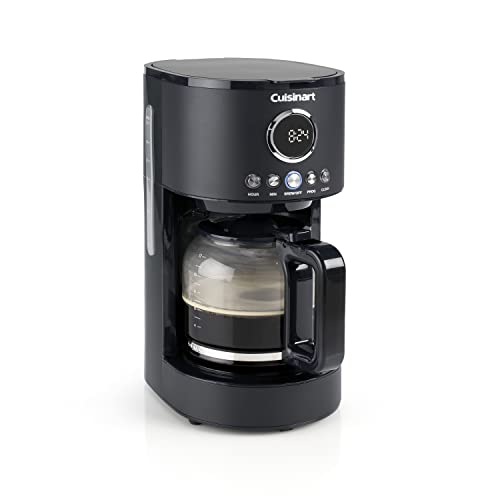
Although there are a variety of ways to brew a delicious coffee drip machines remain one of the most well-known alternatives. These machines use hot water and gravity to extract flavors, oils, and caffeine from coffee beans that have been ground.
The best drip coffee makers are equipped with precise temperature control to get the optimal brewing temperatures, which are critical for the extraction of flavor. They also allow you to choose a filter that will enhance or mellow certain characteristics of the coffee.
Temperature Control
A drip coffee maker is a part of the manual pour-over process, making it an attractive option for those looking to make their brewing process easier. It comes with a filter basket, carafe and showerhead, which all work together to ensure the optimal extraction of flavor compounds. To ensure that the coffee tastes fresh, it's essential to keep the temperature at a suitable level.
A heating element in the coffee maker is responsible for ensuring that the reservoir of water is at the correct temperature for brewing. The ideal temperature would be 195-205degF. The water is then put to the filter basket where it drips over the coffee grounds, and starts the brewing process.
The showerhead distributes the hot water evenly over the coffee grounds to stir it up and ensure that all the flavors are extracted from the ground. This is why it's crucial to use a model with wide showerheads that provide an even distribution and constant agitation. A wide head also helps to prevent overflow and a accumulation of sludge.
bean to cup filter coffee machine come with an option to control the temperature that allows you to set the water brewing temperatures to a certain level. This feature allows you optimize the brewing temperatures for your specific area, taking into account that the boiling point of water is lower at higher elevations. Certain models let you alter the bloom duration or the amount of time the grounds are exposed hot water. This is crucial for getting the best flavor out of your coffee beans.
If you want your coffee drip machine to function optimally, select one that comes with a customizable brew setting, a self cleaning mode, and a reusable paper filter. This will save you money over buying single-use ones. Some models also come with an adjustable timer so that you can make your coffee at just the right time. This can be a great feature for those who have busy schedules or who tend to overlook breakfast.
Brewing Method
A drip coffee maker is the most well-known model at home and in many coffee shops, and is highly praised because of its ease of use. You add ground coffee and water then press a button and the machine will do the rest. You can choose from several settings to control the strength of your coffee, from mild up to strong.
A crucial aspect of good drip coffee is the coffee-to-water ratio. The best way to determine the right amount of each component is to use an appropriate scale. The rule of thumb is two tablespoons of espresso per six ounces of water, however, you are able to play with this ratio depending on your personal preference. You can use measuring cups instead of the scale if don't own one. Make sure to use filtered or bottled coffee to get the most flavor.
The process of brewing begins by filling the reservoir with water, usually at about 195 to 205 degrees Fahrenheit. When the water is at this temperature, it's pumped into showerheads, which spray evenly over the coffee grounds within the filter basket. The hot water squirts through the coffee grounds, taking in their flavors and aromas and then slowly drips into the carafe below. This process typically takes several minutes. The coffee is now ready to be served.
You can also brew drip coffee with your hands with devices such as the Melitta filter invented in the early 20th century by the housewife Melitta Bentz. This method requires more focus and skill, however it gives you greater control over the brewing process which results in a more nuanced taste profile. Hand drip allows you to play around with different temperatures and grind sizes.
Small portions of coffee can ensure consistency and stop over-extraction. If you're using a manual pour-over machine, start by pouring a small amount of water over the grounds to allow them to bloom (expand and release gasses). Once the grounds have been filled with water, slowly pour it in a spiral direction and stop only for a short time to maintain the flow.
Grind Size
The grind size of your drip coffee machine is one of the most crucial elements in making a great cup of drip coffee. The grind size determines the surface area of your coffee grounds, which affects how well water passes through them and extracts the flavors and compounds contained within. A properly-sized grind size will prevent excessive or underextraction, which can lead to weak, bitter coffee that is weak and bitter.
The size of the grind you choose for your drip coffee machine will be determined by a variety of aspects, including the method of brewing used and the type of filter. A medium grind is generally ideal for most filters and drip coffee makers. There are exceptions, and different manufacturers will recommend a certain grind size according to the design of their machine.
The Kalita Wave, for example is a filter with a flat bottom that calls for medium coarse grind while pour-over brewers utilize paper filters, which call for the use of a coarser grind. Cold brew coffee, which is brewed by submerging ground beans in water for a long time, requires a coarser grinding.
It is also important to consider the amount of cups you'll be making. Drip coffee machines come in a variety of sizes, from single-serve options to carafe designs that can brew up to 12 cups at once. It is important to be aware of the space on your counter when selecting the drip coffee maker.
You should always follow the recommended brewing method when using drip coffee makers. This will ensure that your coffee has the right ratio of grounds to water and is brewed for the length of time necessary to extract the desired flavor elements. Don't be afraid to play around with your drip coffee maker and the settings. You'll get the most from your drip coffeemaker when you learn the best settings and what works not. In the end, you'll be enjoying a great cup of coffee every time.
Cleaning
Regularly cleaning the coffee drip machine helps maintain the freshness and flavor of the drink. It also prevents mineral buildup which can impact the performance of the machine and affect the quality of the final brew. After every use, the drip machine should also be cleaned and any parts that can be removed should be washed with soapy water. This includes the carafe lid as well as any other parts that can be removed. A thorough cleaning should be conducted every 3 to 6 months to get rid of the buildup of minerals.
Most coffee makers come with the ability to clean the machine. It will run vinegar through the system, and then clean thoroughly with water. This is an easy method to clean your coffee maker without having to disassemble it or scrub. Some machines come with an easy clean button that can automatically run the vinegar and water cleaning cycle for you.
It is crucial to take off the lid, carafe, and filter basket before starting any cleaning process. You should also be sure that your coffee maker is completely free of any power source. Then, you must empty the reservoir of water and wash any removable parts in the sink using mild soap. If the parts you are removing are labeled dishwasher safe then you can wash them in the dishwasher as well.
It is crucial to allow the parts that are removable dry completely before reassembling the machine. Any moisture left behind could lead to mold and bacterial growth which could alter the taste of your future coffee. To ensure there isn't moisture left behind, use a clean towel, such as these fanciful cotton towels by Anthropologie to dry the components.
As opposed to silverware and dishes, it is generally not advisable to lather up the coffee maker with scented soaps as they may create an unpleasant or offensive odor. The most effective cleaning solution for a coffee drip machine is white vinegar which can be effective in getting rid of grime and any unwanted smells or tastes from the appliance. Baking soda and water can be used as a replacement cleaner for those who prefer an organic solution.